

Book an Appointment Call (978) 744-7904
Dental Implants

Dental Implants in Salem, MA

Permanent tooth replacement that looks, feels, and functions like a natural tooth — for life.

Dental Implants Explained
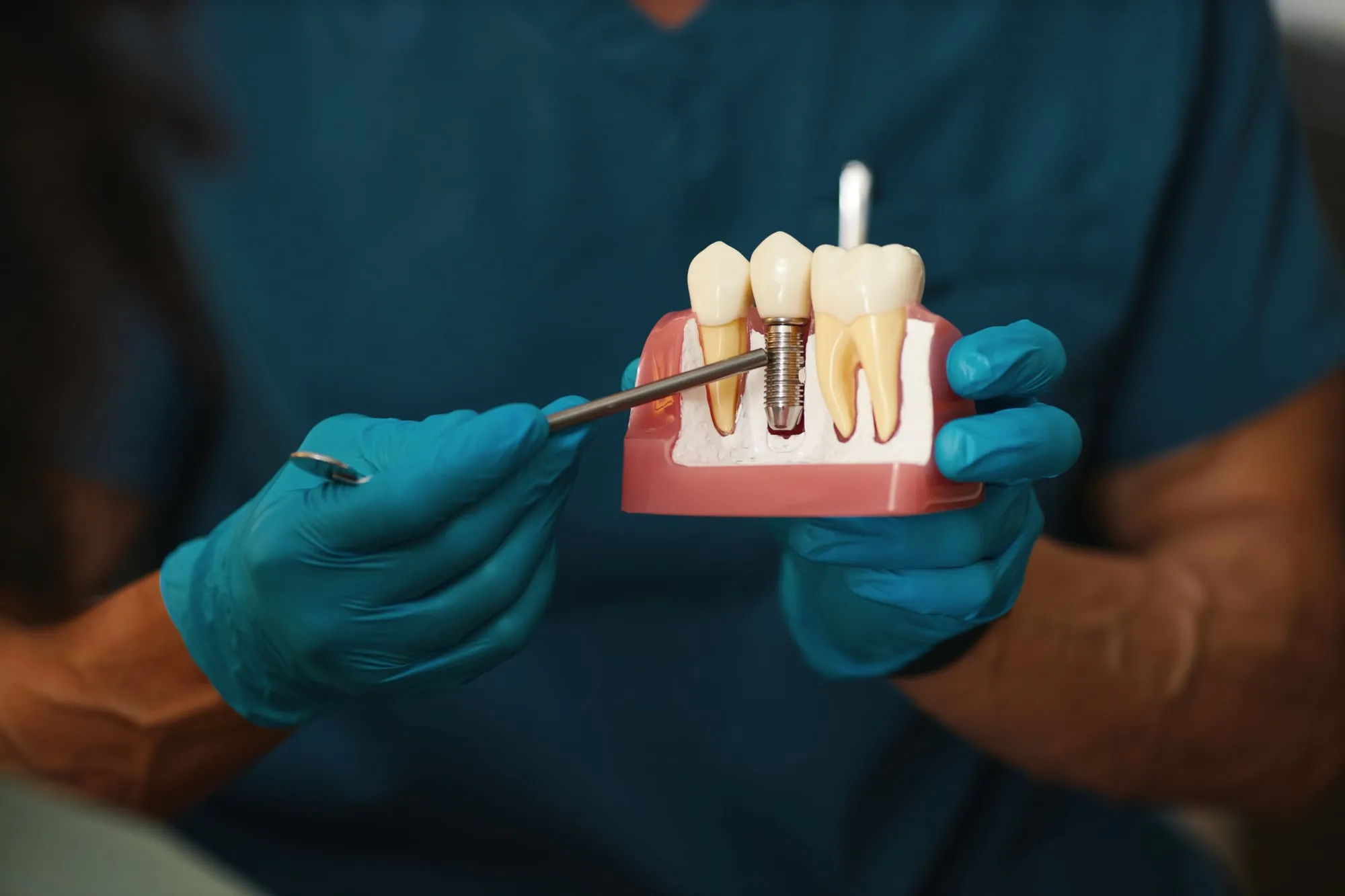
Dental Implants — what to know

Looking for Dental Implants in Salem, MA? Dental implants are widely considered the gold standard for replacing missing teeth. At Essex Street Dental Medicine, implants offer a permanent, natural-looking, and natural-feeling solution to tooth loss that preserves bone, restores full chewing function, and lasts decades or even a lifetime. Unlike bridges, implants don't require modifying adjacent teeth, and unlike traditional dentures, they provide stability and chewing ability comparable to natural teeth.

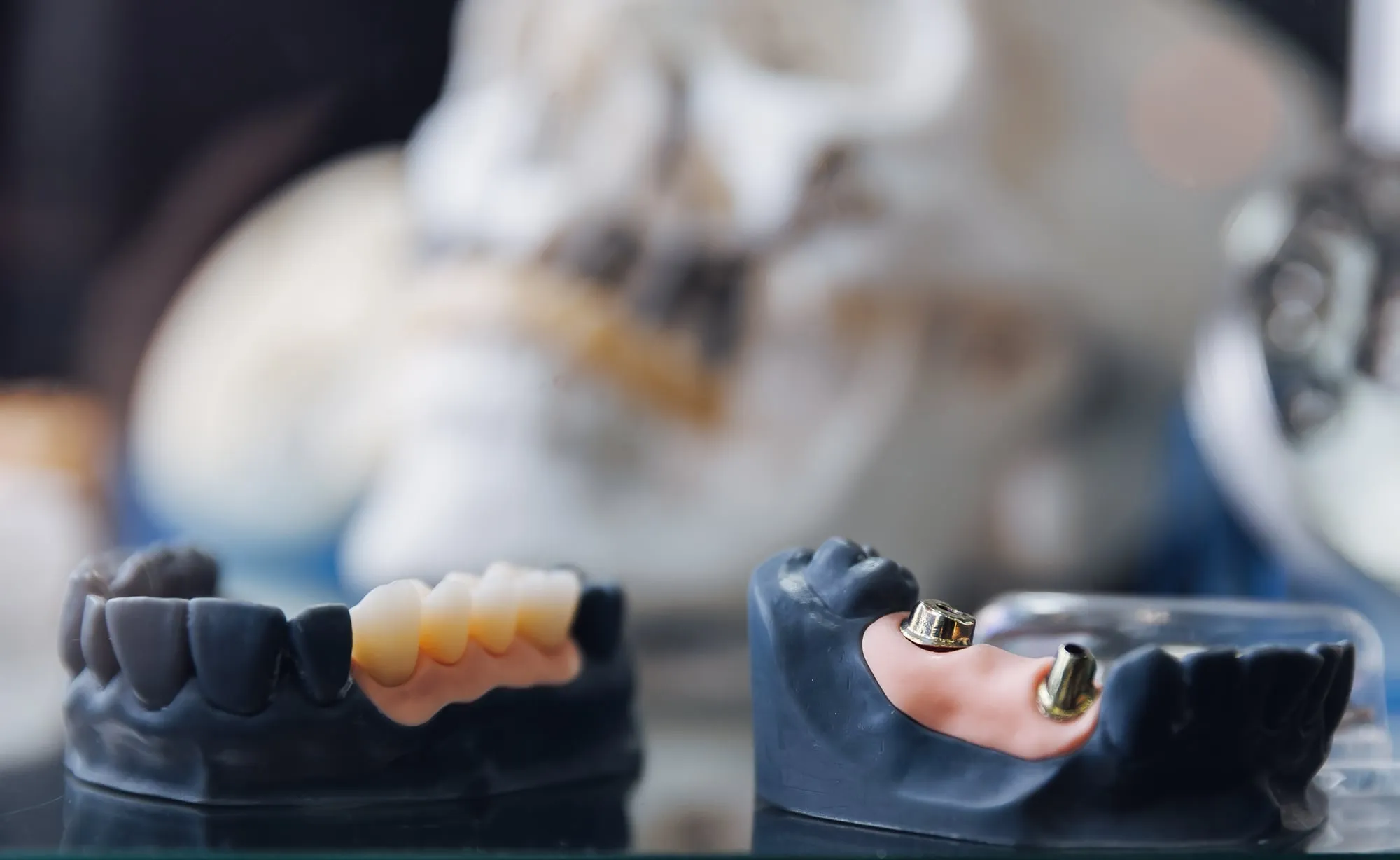
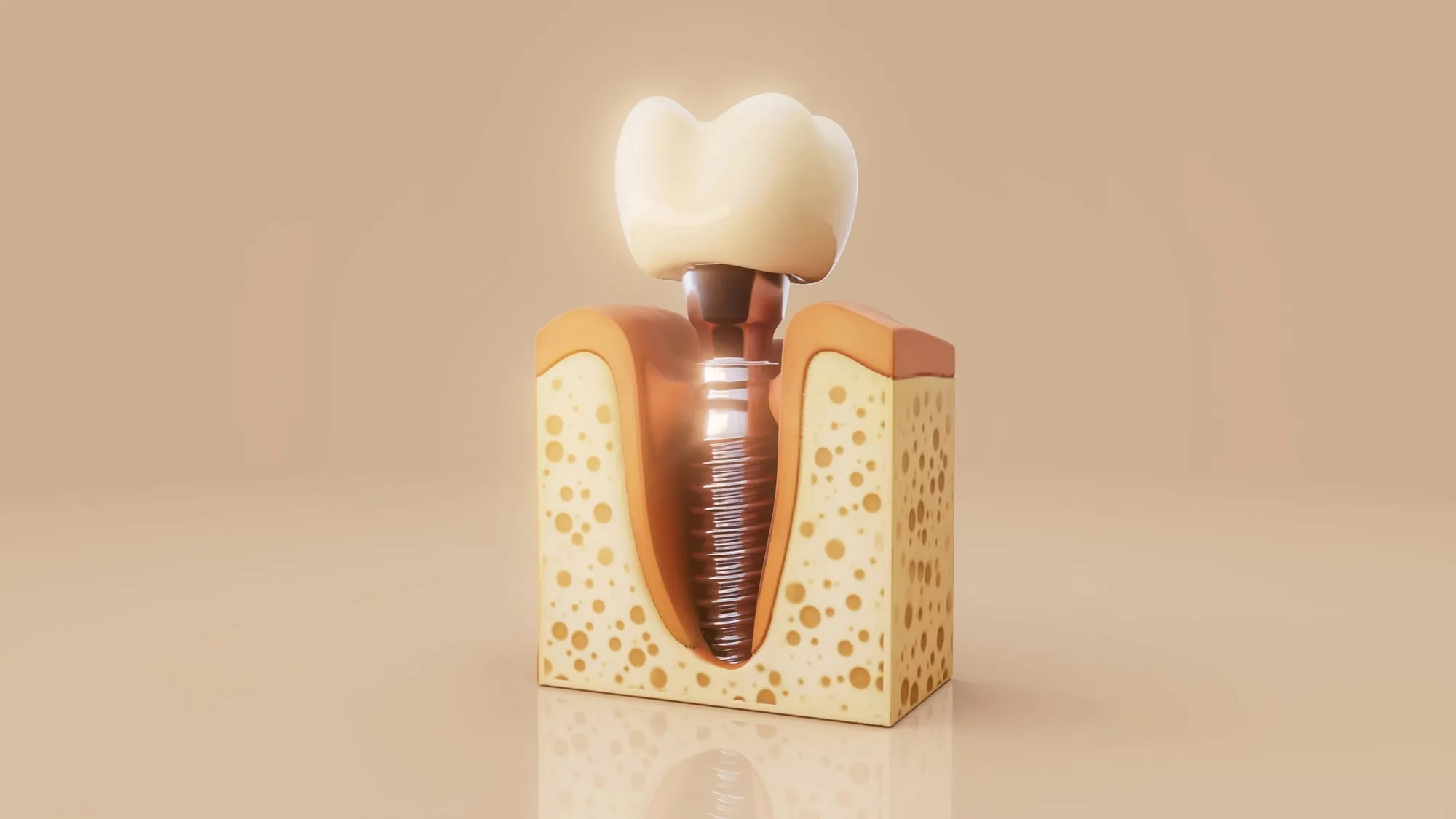
A dental implant consists of three parts: a titanium post that's surgically placed into the jawbone where the missing tooth root would be, an abutment that connects the post to the visible portion, and a custom crown (or bridge or denture) that attaches on top. The titanium post fuses with the jawbone over several months in a process called osseointegration, creating a stable foundation that mimics a natural tooth root. This biological integration is what makes implants so successful and long-lasting.

The implant process typically takes 4 to 6 months from start to finish. The first phase involves surgical placement of the implant post, followed by a 3 to 6 month healing period during which the implant fuses with the bone. Once integration is confirmed, the abutment and crown are placed. While this timeline is longer than alternatives like bridges, the result is a permanent solution that doesn't require adjusting adjacent teeth and offers superior function. For patients with sufficient bone, this treatment preserves jawbone that would otherwise deteriorate after tooth loss. For patients with bone loss, bone grafting may be performed before or with implant placement.

Book An Appointment

Our Approach

Dental implants represent a significant investment of time and money, but the results are often life-changing. At Essex Street Dental Medicine, we take time to evaluate every implant case thoroughly, including 3D imaging when needed, to plan precise placement and anticipate any complications.

We work closely with patients to understand their goals and walk through the full treatment plan, including timeline, costs, and expected outcomes. For complex cases, we coordinate with oral surgeons, periodontists, or prosthodontists as needed to ensure the best possible result. Our focus is on long-term success, which means doing the treatment right the first time, with realistic expectations and proper aftercare to maximize the lifespan of your implant.

Book An Appointment
Dental Implants — our approach

How Treatment Works

01

Plan

We evaluate your bone, gum health, and overall oral situation through imaging and exam to develop a precise implant placement plan.

02

Place

The titanium implant post is surgically placed into the jawbone under local anesthesia or sedation.

03

Heal

Over 3 to 6 months, the implant fuses with the bone in a process called osseointegration, creating a stable foundation.

04

Restore

Once integration is confirmed, a custom abutment and crown are placed, completing your new tooth.

Frequently Asked Questions

We've answered the questions we hear most so you can feel informed, prepared, and confident before your visit.

The cost of implant treatment depends on how much work is involved, and implant cases vary more than almost any other treatment. Replacing a single tooth is a different undertaking from replacing several or restoring a full arch. The condition of the site is the other major factor, since some patients have enough healthy bone to place an implant directly while others need bone grafting, a sinus lift, or an extraction and healing period first. What goes on top of the implant matters as well, including the abutment and the final crown, bridge, or denture. Implant treatment is usually staged over several months, and we will review the complete plan with your estimated coverage before anything begins.

With proper care, dental implants can last 25 years or longer, and many last a lifetime. The implant post itself is highly durable. The crown attached to the implant typically needs replacement every 10 to 20 years due to normal wear, similar to other crowns. Long-term success requires good oral hygiene, regular dental visits, and avoiding habits like smoking that can compromise implants.

The implant placement procedure is performed under local anesthesia and most patients report minimal pain during the surgery itself. Post-operative discomfort is typically managed with over-the-counter pain relievers and resolves within a few days to a week. Most patients describe the recovery as easier than they expected, similar to a tooth extraction.

Most adults with adequate jawbone density and good general and oral health are candidates for implants. Conditions that may complicate implant placement include uncontrolled diabetes, heavy smoking, severe gum disease, or significant bone loss. In many cases, these issues can be addressed (with bone grafting, gum treatment, etc.) before implant placement. A consultation determines candidacy.

From initial placement to final crown, the typical implant process takes 4 to 6 months. This includes surgical placement, 3 to 6 months of healing for osseointegration, and final crown placement. Cases requiring bone grafting take longer because the graft must heal before the implant is placed. Some specialized techniques offer faster timelines but aren't appropriate for every case.

Coverage for implants varies more than for almost any other treatment, though many plans now include at least some implant benefit under major restorative care. Some plans cover the restoration that goes on the implant but not the surgical placement, so one part of your treatment may be covered while another is not. Most plans have an annual maximum, and because implant treatment is usually staged over several months, it is sometimes possible to plan the stages across two benefit years so more of the treatment falls within coverage. Plans may also apply a missing tooth clause or a waiting period before major treatment is covered. Give our office your plan information and we will verify your benefits and provide an estimate before treatment begins.

Alternatives include dental bridges (which require modifying adjacent teeth), partial dentures (removable, less stable), or leaving the gap untreated (not recommended due to bone loss and tooth shifting). Each alternative has trade-offs. Implants typically offer the best long-term outcome but require greater upfront investment of time and money. We discuss all options at consultation.

Patients with insufficient bone can often be treated with bone grafting before or during implant placement. Bone grafts use your own bone, donor bone, or synthetic materials to build up the area where the implant will be placed. The graft heals over several months before the implant is placed. Most patients with bone loss can still receive implants with proper preparation.

Implants are cared for like natural teeth. Brush twice daily, floss daily (special floss may help around implants), and attend regular dental cleanings. Avoid chewing very hard foods or using your teeth as tools. If you smoke, quitting significantly improves implant success and longevity. Regular checkups allow us to monitor the implant and surrounding tissues for early signs of any concerns.

Essex Street Dental Medicine entrance in Salem, MA

Restore Your Smile in Salem

A free consultation is available to new patients without dental insurance. Let's talk through your options — no pressure, just honest guidance.