


Book an Appointment Call (978) 744-7904
Fluoride Treatments

Fluoride Treatments in Salem, MA

Strengthens enamel and prevents cavities — a quick, painless layer of protection for every smile.

Fluoride Treatments Explained
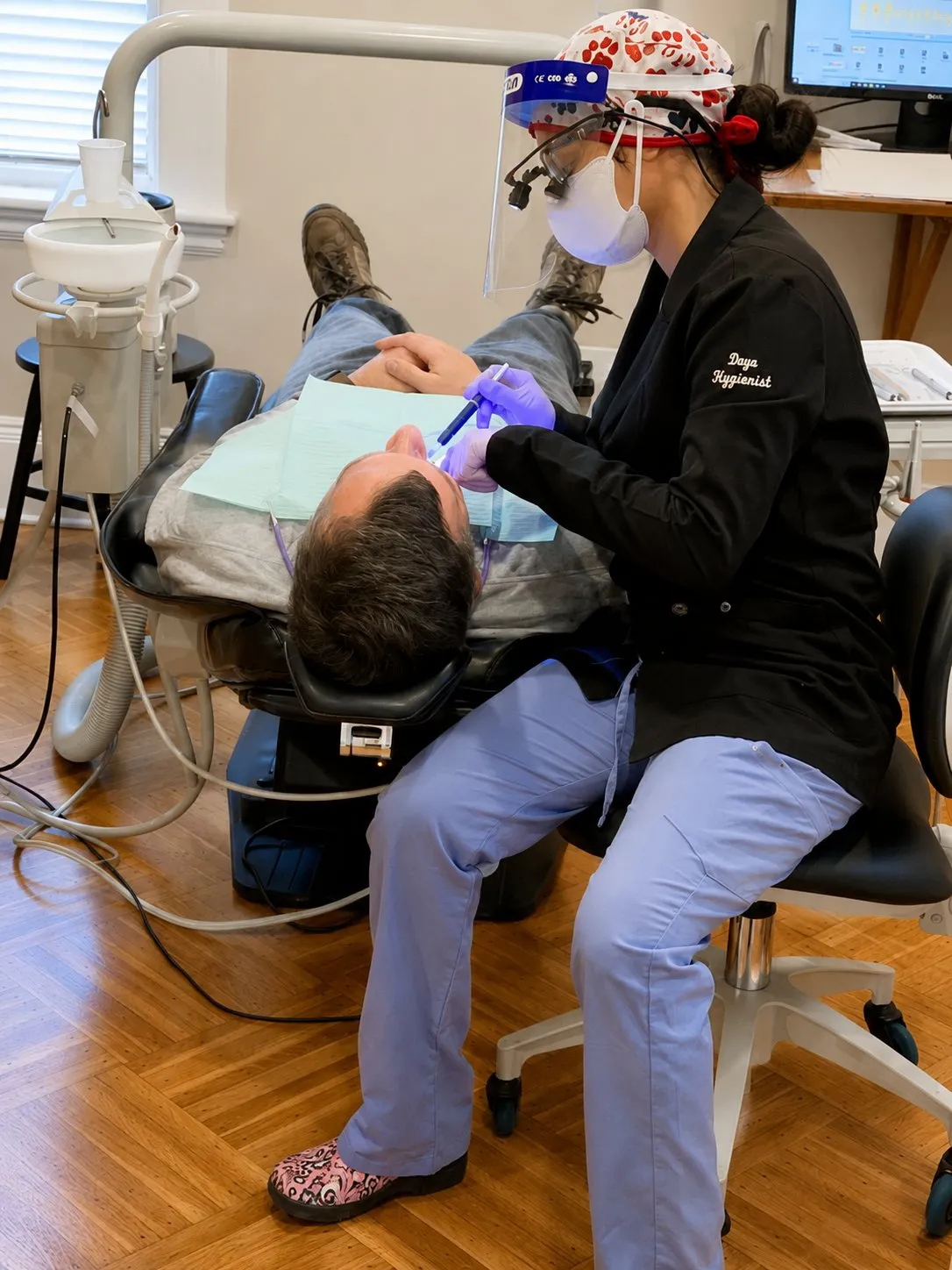
Fluoride Treatments — what to know

Looking for Fluoride Treatments in Salem, MA? Professional fluoride treatments are a simple, effective way to strengthen tooth enamel and prevent cavities. At Essex Street Dental Medicine, we offer in-office fluoride applications as part of routine preventive care for patients of all ages. While fluoride toothpaste provides daily protection, professional fluoride treatments deliver a higher concentration that remineralizes enamel, reverses early decay, and provides protection beyond what daily brushing alone can achieve.

Fluoride is a naturally occurring mineral that strengthens enamel by replacing minerals lost through everyday wear and acid attacks from food and bacteria. When fluoride is applied to the teeth, it bonds with the enamel structure to make it more resistant to acid and decay. This process is especially important for children, whose developing teeth benefit significantly from fluoride exposure, but adults also benefit, particularly those at higher cavity risk.

Professional fluoride treatments are quick, painless, and applied as a varnish, gel, or foam. The treatment takes only a few minutes during a regular cleaning appointment. After application, patients are typically asked to avoid eating or drinking for 30 minutes to allow the fluoride to absorb fully. Most patients benefit from fluoride treatments every 6 months as part of routine cleanings, though patients at higher risk may need more frequent applications. Common candidates for additional fluoride include children, patients with dry mouth, those with frequent cavities, and patients undergoing orthodontic treatment.

Book An Appointment

Our Approach

Fluoride is one of the simplest, most effective preventive tools we have, and at Essex Street Dental Medicine, we make it part of routine care for patients who benefit. We assess cavity risk during every checkup and recommend fluoride based on individual factors like age, hygiene, diet, medical history, and previous decay history.

We use modern fluoride varnish, which adheres well to teeth, takes only minutes to apply, and tastes much better than older fluoride formulations. For children especially, we make the experience quick and pleasant. We also discuss home fluoride options including toothpaste, mouth rinses, and prescription-strength formulations for patients at particularly high cavity risk. Our approach is to use the right level of fluoride for each patient, not a one-size-fits-all protocol.

Book An Appointment
Fluoride Treatments — our approach

How Treatment Works

01

Assess

We evaluate your cavity risk based on age, hygiene, diet, medical history, and recent dental history.

02

Clean

Fluoride is applied after a professional cleaning to ensure direct contact with the enamel.

03

Apply

Fluoride varnish, gel, or foam is painted or applied to your teeth, taking just a few minutes.

04

Absorb

After application, avoid eating or drinking for about 30 minutes to allow the fluoride to fully absorb.

Frequently Asked Questions

We've answered the questions we hear most so you can feel informed, prepared, and confident before your visit.

Yes, fluoride is safe and effective when used as directed. The American Dental Association, World Health Organization, and Centers for Disease Control all support fluoride use for cavity prevention. Concerns about safety typically arise from misunderstanding of the doses involved. Professional applications and recommended toothpaste amounts are well within safe ranges and have been studied extensively.

Children benefit significantly because developing teeth incorporate fluoride into their structure. Adults at high cavity risk also benefit, including patients with dry mouth, those with active or recent decay, patients undergoing orthodontic treatment, and those with exposed root surfaces. Patients with low cavity risk and good oral hygiene may not need professional fluoride at every visit.

Most patients receive fluoride at routine cleaning appointments every 6 months. Patients at higher cavity risk may benefit from fluoride every 3 to 4 months. Some patients with very low risk and excellent oral health may extend the interval. We recommend a schedule based on your individual cavity risk.

Children should not swallow large amounts of fluoride, but the small amounts in toothpaste and professional treatments are safe. For children under 3, use only a smear of fluoride toothpaste. For children 3 to 6, a pea-sized amount is appropriate. Children should be supervised while brushing to ensure they spit out the toothpaste rather than swallowing it. Professional fluoride applications are designed to be safe even if some is swallowed.

Coverage for fluoride treatment varies from plan to plan. Many plans include it as a preventive benefit for children up to a certain age, while coverage for adults is less consistent and is sometimes tied to documented cavity risk or specific medical conditions. Because plan terms differ this much, give our office your plan information and we will verify your benefits and provide an estimate before treatment. If fluoride is not a covered benefit under your plan, we will tell you up front so you can decide.

Most bottled water is not fluoridated unless specifically labeled as such. Patients who exclusively drink bottled water may miss out on the cavity prevention benefits of fluoridated tap water. If you primarily drink bottled water, mention this to your dentist so we can discuss whether additional fluoride sources are appropriate.

Fluoride varnish is painted onto the teeth and adheres well, providing extended exposure. It's the most common form used today and works well for children. Fluoride gel and foam are placed in trays held in the mouth for several minutes. All forms are effective; varnish is generally preferred for ease of use and patient comfort.

Yes, fluoride can remineralize areas of early enamel breakdown before they become full cavities. Early decay (sometimes called incipient or white spot lesions) can sometimes be reversed with consistent fluoride exposure, good oral hygiene, and dietary changes. Once decay progresses through the enamel into the dentin, a filling is required.

Fluoridated water provides a baseline of cavity protection, but professional fluoride treatments deliver a much higher concentration that provides additional benefits. Combining community water fluoridation with fluoride toothpaste and professional treatments provides the most comprehensive protection. Patients in non-fluoridated communities may benefit even more from professional fluoride.

Essex Street Dental Medicine entrance in Salem, MA

Restore Your Smile in Salem

A free consultation is available to new patients without dental insurance. Let's talk through your options — no pressure, just honest guidance.