

Book an Appointment Call (978) 744-7904
Oral Surgery

Oral Surgery in Salem, MA

Expert surgical care for extractions, implants, and complex cases — with comfort-focused techniques.

Oral Surgery Explained

Oral Surgery — what to know

Looking for Oral Surgery in Salem, MA? Oral surgery covers a range of procedures involving the teeth, jaws, and surrounding structures. At Essex Street Dental Medicine, we provide common oral surgery procedures including tooth extractions (including wisdom teeth), bone grafting, and minor surgical procedures. More complex cases are referred to oral surgery specialists with whom we maintain close working relationships to ensure continuity of care.

Common oral surgery procedures include simple and surgical tooth extractions, wisdom tooth removal, bone grafting to prepare for implants, treatment of impacted teeth, biopsy of suspicious oral tissue, and removal of cysts or other pathology. Each procedure is performed under appropriate anesthesia, ranging from local anesthesia for simple extractions to IV sedation for more complex cases. Modern oral surgery techniques are designed to minimize trauma, accelerate healing, and reduce post-operative discomfort.

Recovery from most oral surgery procedures involves a few days of soft foods, careful oral hygiene around the surgical site, avoiding straws and smoking (which can dislodge blood clots), and managing any pain with prescribed or over-the-counter medications. Most patients return to work and normal activities within 1 to 3 days, depending on the procedure. We provide detailed post-operative instructions and follow-up care to ensure proper healing and address any complications quickly.

Book An Appointment

Our Approach

Oral surgery sounds intimidating, but most procedures are routine, quick, and far less uncomfortable than patients expect. At Essex Street Dental Medicine, we focus on making surgical procedures as comfortable as possible through gentle technique, modern anesthesia options, and clear communication about what to expect.

We perform many common surgical procedures in our office, including extractions and minor procedures. For complex cases, including impacted wisdom teeth requiring sedation, complicated extractions, or significant bone grafting, we work with experienced oral surgeons we trust. Our priority is making sure you receive the right care from the right provider, even if that means referring you elsewhere for the actual surgery.

Book An Appointment
Oral Surgery — our approach

How Treatment Works

01

Plan

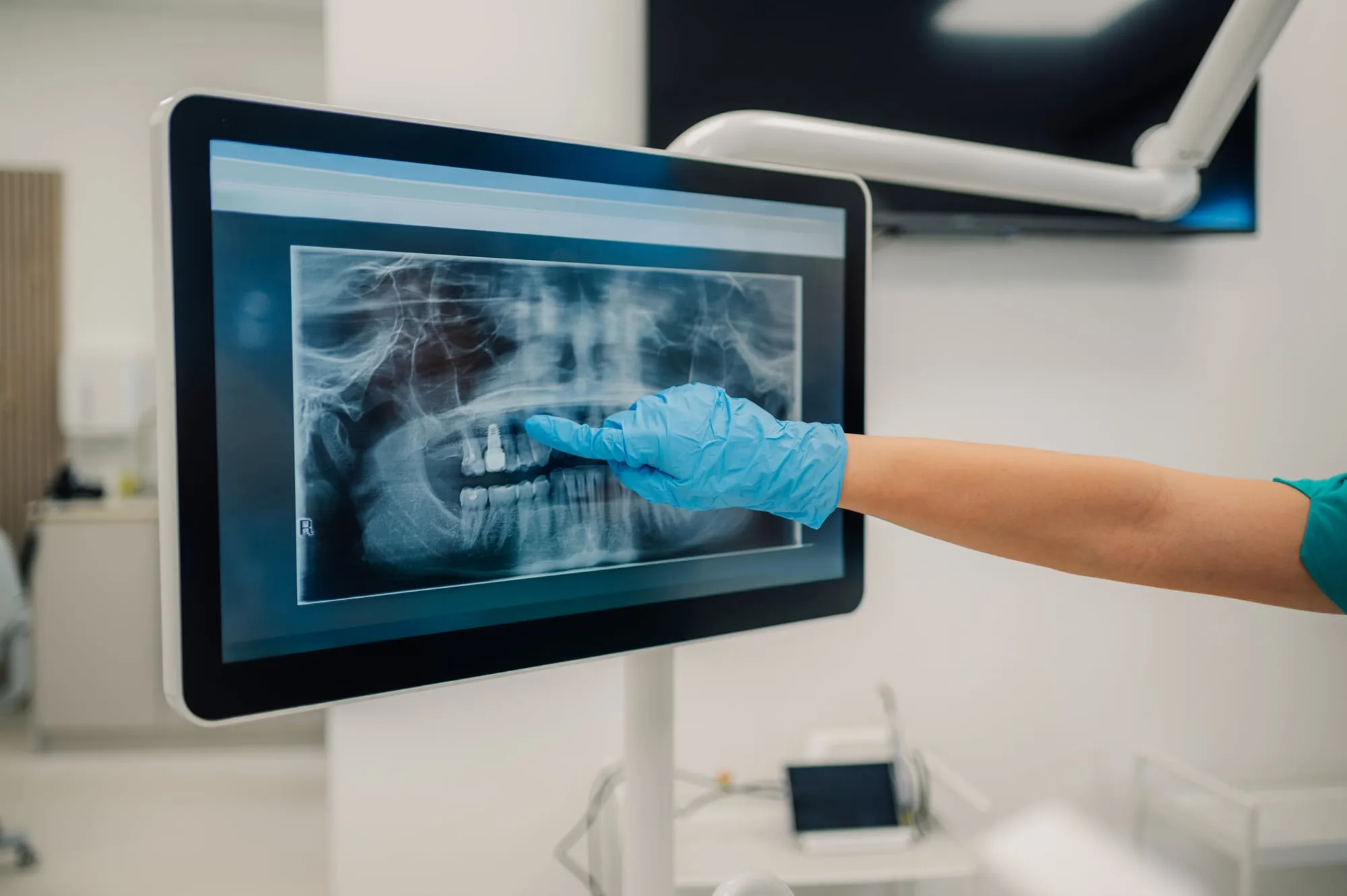
We evaluate the situation through clinical exam, X-rays, and sometimes 3D imaging to plan the procedure.

02

Prepare

We discuss the procedure, anesthesia options, and post-operative expectations so you know exactly what to expect.

03

Perform

The surgical procedure is performed under appropriate anesthesia, focusing on minimizing trauma and supporting fast healing.

04

Heal

Detailed post-operative instructions and follow-up care support healing and address any complications quickly.

Frequently Asked Questions

We've answered the questions we hear most so you can feel informed, prepared, and confident before your visit.

Most patients return to work and normal activities within 1 to 3 days for routine extractions and 3 to 7 days for more complex procedures like wisdom tooth removal. Complete healing of the surgical site typically takes 2 to 4 weeks. Following post-operative instructions carefully (soft foods, no straws, no smoking, gentle oral hygiene) significantly improves recovery.

It depends on the procedure. Routine extractions are typically performed with local anesthesia only. Complex extractions, multiple wisdom teeth, or surgeries on anxious patients may use IV sedation or general anesthesia, where you're either deeply relaxed or fully asleep. We discuss anesthesia options in advance based on the procedure and your preferences.

Oral surgery covers a wide range of procedures, so cost depends entirely on which one you need. Removing a tooth that is fully erupted is straightforward, while a tooth that is impacted, broken below the gumline, or positioned close to a nerve or sinus involves considerably more. Procedures that rebuild or prepare the site, such as bone grafting, vary with the size of the area treated and the material used. Surgery is usually preceded by a consultation and imaging so the case can be planned properly, and any sedation is generally billed separately. Depending on the diagnosis, some oral surgery is billed to medical insurance rather than dental, and we will provide a detailed treatment plan before anything begins.

Wisdom teeth removal is one type of oral surgery. Oral surgery encompasses a broader range of procedures involving the teeth, jaws, gums, and oral tissues. Many oral surgery procedures are routine and performed in general dental offices, while complex cases are typically referred to oral surgery specialists.

Many oral surgery procedures require stitches to close the surgical site and support healing. Most modern stitches are dissolvable and don't require removal. Some procedures use stitches that need to be removed at a follow-up visit, typically 7 to 10 days after surgery. We tell you in advance which type will be used.

For the first 24 to 48 hours, stick to soft foods and liquids that don't require chewing. Good options include yogurt, applesauce, smoothies (no straws), mashed potatoes, scrambled eggs, oatmeal, and broth. Avoid hot foods, very cold foods initially, hard or crunchy foods, sticky foods, and acidic foods. Gradually return to normal eating over the next few days based on comfort.

The suction created by drinking through a straw can dislodge the blood clot that forms at the surgical site, causing a painful condition called dry socket. Dry socket significantly delays healing and is quite painful. Avoid straws for at least 24 to 48 hours after surgery, and longer for procedures like wisdom tooth removal.

Most patients experience moderate discomfort for the first 24 to 72 hours, which is usually well-managed with prescribed pain medications or over-the-counter ibuprofen and acetaminophen. Significant pain that's not improving with medication or worsening after the first few days may indicate a complication and should be reported to us right away.

Many oral surgery procedures, including most extractions and minor procedures, are routinely performed in general dental offices. Complex cases like impacted wisdom teeth, severely damaged teeth, jaw surgery, or procedures requiring deep sedation are typically referred to oral surgery specialists. We perform what we can do well and refer when a specialist is the better choice.

Essex Street Dental Medicine entrance in Salem, MA

Restore Your Smile in Salem

A free consultation is available to new patients without dental insurance. Let's talk through your options — no pressure, just honest guidance.