


Book an Appointment Call (978) 744-7904
TMJ

TMJ in Salem, MA

Relief from jaw pain, headaches, and clicking — personalized therapy that addresses the root cause.

TMJ Explained
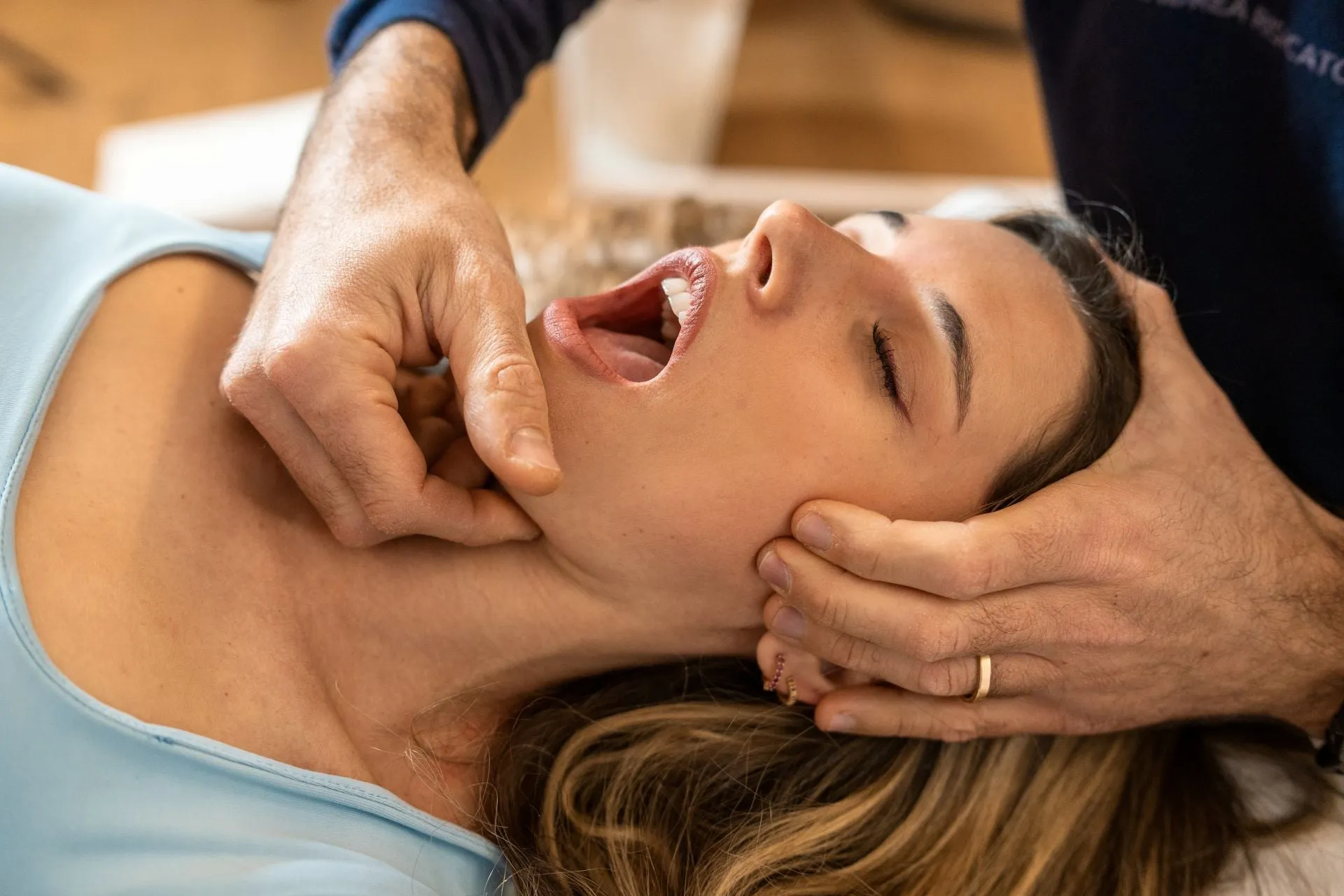
TMJ — what to know

Looking for TMJ in Salem, MA? The temporomandibular joints (TMJ) are the hinges that connect your lower jaw to your skull, located just in front of each ear. TMJ disorders, sometimes called TMD, are a group of conditions that cause pain and dysfunction in these joints and the surrounding muscles. At Essex Street Dental Medicine, we offer evaluation and treatment for TMJ disorders, which can range from mild discomfort to debilitating pain affecting daily life.

Common TMJ symptoms include jaw pain or tenderness, pain near the ear, clicking or popping sounds when opening the mouth, difficulty chewing or pain while chewing, frequent headaches (especially morning headaches), neck and shoulder pain, and limited ability to open the mouth wide. Causes vary and often involve multiple factors, including jaw injury, arthritis in the joint, teeth grinding (bruxism), bite misalignment, stress and clenching, and connective tissue diseases.

TMJ treatment typically starts with conservative, non-invasive approaches. These include custom-fitted oral appliances (often called nightguards or splints) that prevent grinding and reposition the jaw, physical therapy and jaw exercises, stress management techniques, lifestyle modifications, and short-term use of pain relievers or muscle relaxants. For most patients, these conservative treatments provide significant relief. More advanced treatments including injections and surgery are reserved for severe cases that don't respond to conservative care.


Book An Appointment

Our Approach

TMJ disorders are often complex, involving multiple causes and overlapping symptoms. At Essex Street Dental Medicine, we take time to evaluate your symptoms, examine your jaw and bite, and discuss your medical history and lifestyle to identify likely contributing factors. We then develop a personalized treatment plan that addresses the root causes, not just the symptoms.

Most TMJ patients benefit from conservative treatment, particularly custom oral appliances that prevent grinding and reposition the jaw during sleep. We focus on education and self-care techniques you can use at home, because lifestyle changes are often as important as the dental treatment itself. For complex cases, we coordinate with specialists including physical therapists, oral surgeons, or pain management physicians as needed.

Book An Appointment
TMJ — our approach

How Treatment Works

01

Evaluate

We assess your symptoms, examine the jaw and bite, take any needed imaging, and identify likely causes of your TMJ symptoms.

02

Plan

A personalized treatment plan addresses the root causes through a combination of appliance therapy, lifestyle modifications, and self-care.

03

Treat

Most patients receive a custom oral appliance and guidance on jaw exercises, stress management, and habits that contribute to symptoms.

04

Monitor

Follow-up visits track your progress, adjust treatment as needed, and refer to specialists if symptoms don't improve with conservative care.

Frequently Asked Questions

We've answered the questions we hear most so you can feel informed, prepared, and confident before your visit.

TMJ disorders typically result from a combination of factors. Common causes include teeth grinding or clenching (often related to stress), arthritis in the joint, jaw injury or trauma, bite misalignment, and certain connective tissue diseases. Sometimes the cause is unclear. Identifying contributing factors is part of developing an effective treatment plan.

Common TMJ symptoms include jaw pain or tenderness, ear pain or pressure (without infection), clicking or popping sounds in the jaw, difficulty or pain when chewing, frequent headaches (especially morning headaches), neck and shoulder pain, and limited jaw movement. Many people occasionally experience mild jaw symptoms that resolve on their own. Persistent or severe symptoms warrant evaluation.

Most TMJ cases respond well to conservative treatments. These include custom oral appliances worn at night to prevent grinding and reposition the jaw, physical therapy and jaw exercises, stress management, dietary changes (avoiding hard or chewy foods during flare-ups), warm or cold compresses, and over-the-counter or prescription pain relievers and muscle relaxants. More advanced treatments are reserved for severe cases.

TMJ treatment covers a wide range of approaches, so cost depends on what is causing your symptoms. Care usually begins with a thorough evaluation, since the joint, the muscles around it, your bite, and your habits can all contribute, and identifying which is driving your symptoms determines the treatment. Conservative care is the starting point in most cases and may involve a custom appliance, bite adjustment, physical therapy, or changes to habits. When symptoms do not respond, some cases move on to injections, more extensive bite reconstruction, or referral for specialist care. TMJ care is usually a course of treatment over time rather than a single visit, and we will lay out a treatment plan before anything begins.

TMJ is one of the most inconsistently covered areas in dentistry, so this genuinely has to be checked plan by plan. The first question is whether your plan treats TMJ as medical or dental, since some handle it under medical benefits, some under dental, and some split it so different parts of your treatment fall to different carriers. Some plans carry a separate TMJ maximum, sometimes a lifetime maximum rather than an annual one, which can be reached quickly. Some cover diagnosis and evaluation but exclude treatment, and some exclude TMJ entirely. Bring us both your medical and dental insurance information and we will verify what each covers, tell you plainly where the gaps are, and provide an estimate before treatment begins.

Some mild TMJ symptoms resolve without treatment, particularly when caused by temporary factors like stress or recent dental work. Persistent or recurring symptoms typically don't resolve on their own and benefit from professional evaluation and treatment. Untreated chronic TMJ can worsen over time and lead to permanent joint damage.

Most TMJ patients do not need surgery. Conservative treatments resolve symptoms in the vast majority of cases. Surgery is reserved for severe, persistent cases that don't respond to conservative care, such as significant joint damage or severe structural problems. We exhaust conservative options first because they're effective for most patients and avoid the risks of surgery.

Most patients see significant improvement within a few weeks to a few months of starting treatment. Complete resolution may take longer. TMJ treatment is often ongoing, with patients continuing to wear oral appliances at night indefinitely to prevent grinding and protect the joints. Regular follow-ups help us monitor progress and make adjustments.

During flare-ups, avoid hard or chewy foods, gum chewing, opening your mouth very wide (large bites, yawning), resting your chin on your hand, biting your nails or other objects, and clenching your teeth during the day. Stress management and good sleep hygiene also help, since stress and poor sleep often worsen TMJ symptoms.

Essex Street Dental Medicine entrance in Salem, MA

Restore Your Smile in Salem

A free consultation is available to new patients without dental insurance. Let's talk through your options — no pressure, just honest guidance.