

Book an Appointment Call (978) 744-7904
Gum Grafting

Gum Grafting in Salem, MA

Restore receded gums, protect exposed roots, and relieve sensitivity with gum grafting.

Gum Grafting Explained
Gum Grafting — what to know

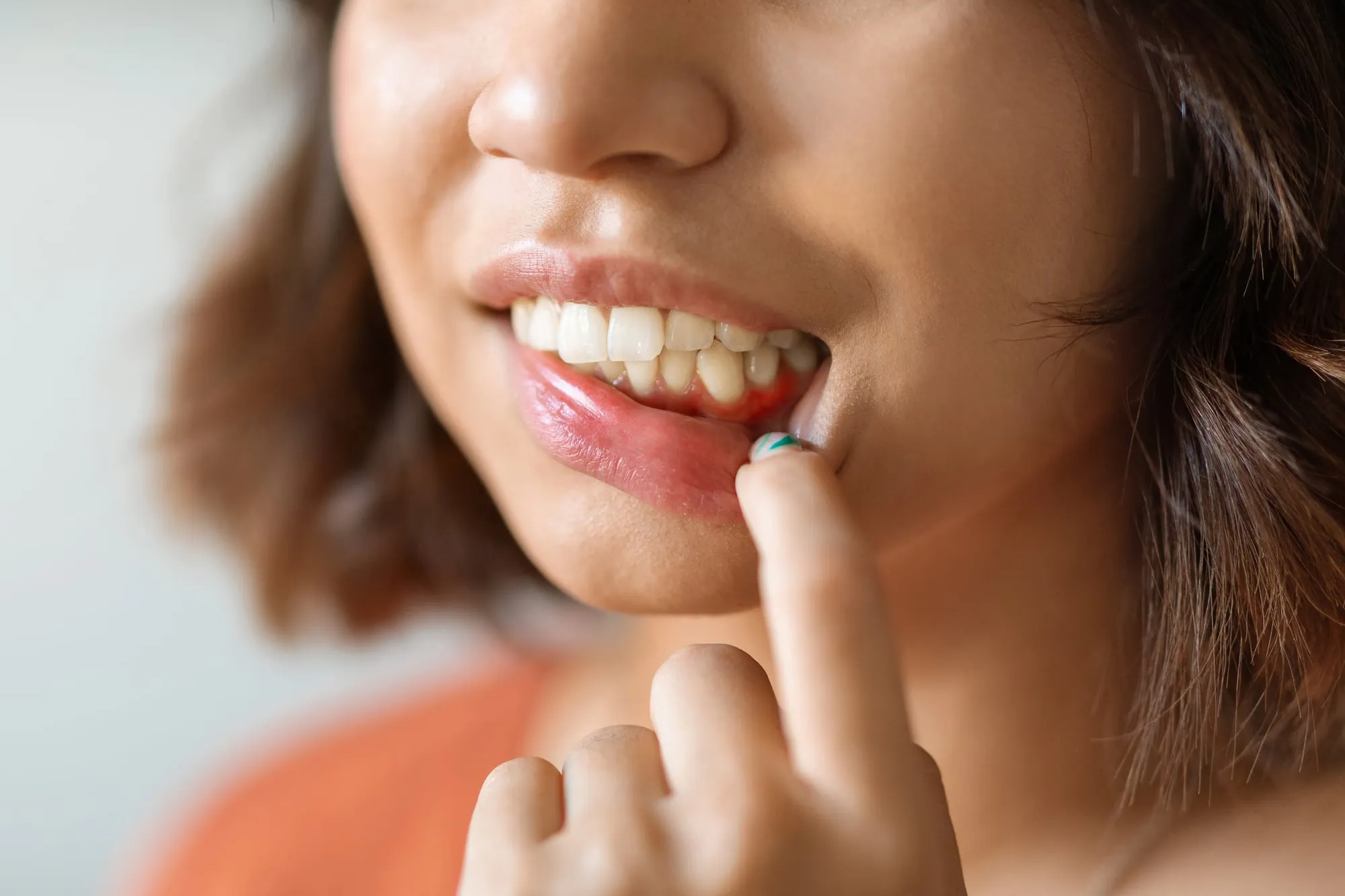
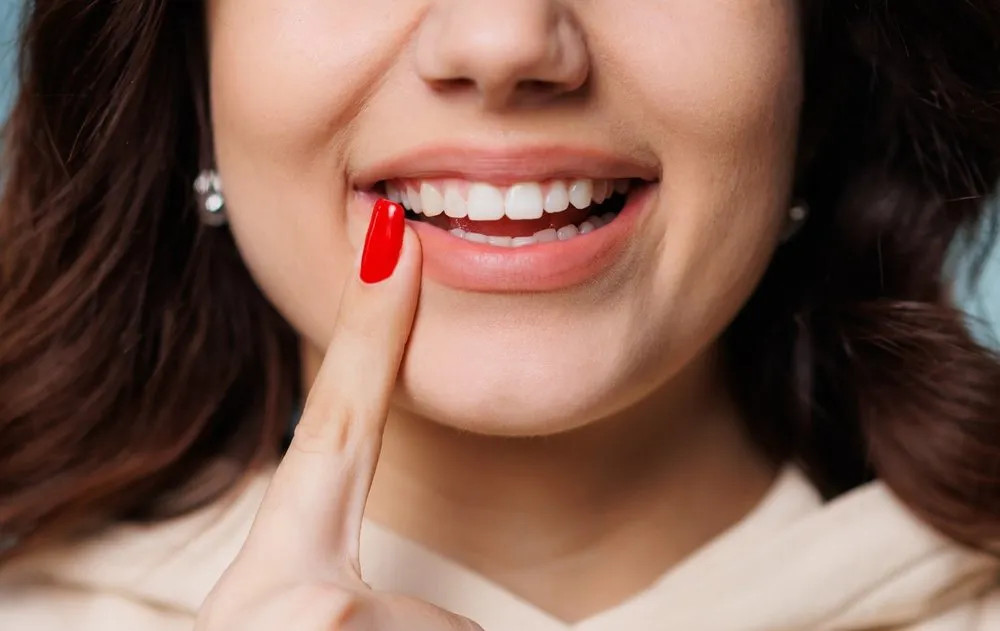
Gum grafting is a procedure that restores gum tissue where it has receded, covering exposed tooth roots, relieving sensitivity, protecting teeth from further damage, and improving the appearance of your smile. Gum recession happens gradually, often from gum disease, aggressive brushing, grinding, genetics, or simply time, and many people do not notice until roots become visible or sensitive. Left untreated, recession exposes the softer root surface to decay and can eventually threaten the tooth itself, since receded gums do not grow back on their own. At Essex Street Dental Medicine in Salem, MA, gum grafting rebuilds that lost tissue. During the procedure, tissue is taken from the roof of the mouth or a donor source and carefully placed over the areas of recession, where it integrates with your existing gums to create a thicker, healthier band of protective tissue. There are several grafting techniques, including connective tissue grafts, the most common approach, free gingival grafts for patients who need thicker tissue, and pedicle grafts that use adjacent gum tissue when enough is available. Beyond stopping the progression of recession, grafting often dramatically reduces root sensitivity to hot and cold and restores a fuller, more even gum line that makes teeth look properly proportioned again. It is a routine, predictable procedure with a high success rate, and most patients are surprised by how manageable the recovery is.
Book An Appointment

Our Approach

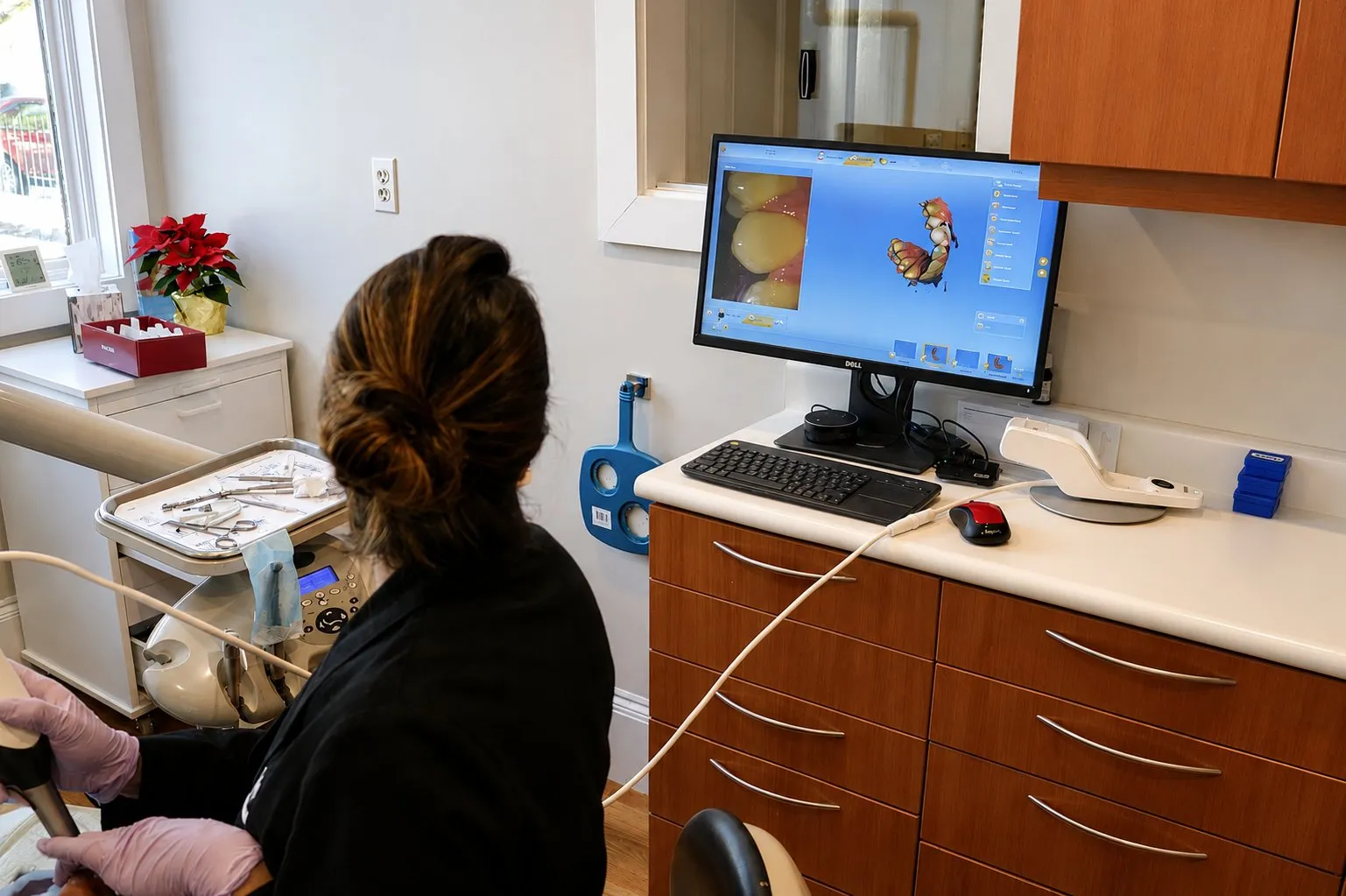
At Essex Street Dental Medicine, we treat gum recession seriously because we know where it leads if ignored: sensitivity, root decay, and eventually tooth loss. We evaluate the cause of your recession, not just the recession itself, addressing contributing factors like brushing technique, grinding, or gum disease so the problem does not simply return. When grafting is recommended, we choose the technique best suited to your tissue and goals, perform it gently with your comfort managed throughout, and support you through a smooth recovery. The result we aim for is healthy, natural-looking gums that protect your teeth for decades.

Book An Appointment
Gum Grafting — our approach

How Treatment Works

01

Evaluate

We measure your recession, assess the health of your gums and the underlying causes, and determine which grafting technique fits your case.

02

Graft

Under local anesthesia, with sedation available, tissue from the palate or a donor source is precisely placed and secured over the receded areas.

03

Heal

Initial healing takes one to two weeks with a soft diet and gentle care. The graft integrates with your existing gum tissue over the following weeks.

04

Protect

We confirm the graft has healed fully, then address the habits or conditions that caused the recession so your new gum tissue lasts.

Frequently Asked Questions

We've answered the questions we hear most so you can feel informed, prepared, and confident before your visit.

Gum grafting is a procedure that rebuilds gum tissue in areas where the gums have receded and exposed the tooth roots. Tissue from the roof of the mouth or a donor source is placed over the recession, where it heals into a thicker, protective band of gum. It stops recession from progressing, reduces sensitivity, and restores a natural gum line.

Common causes include gum disease, brushing too hard or with a stiff brush, teeth grinding and clenching, genetics that produce naturally thin gum tissue, tobacco use, and orthodontic tooth movement. Often several factors combine. Identifying the cause matters, because treating the recession without addressing the cause invites it to return.

No. Once gum tissue is lost, it does not regenerate on its own. Good care can stop recession from getting worse, but only a grafting procedure can restore tissue that is already gone. That is why we monitor recession over time and recommend grafting when the exposure threatens the health or comfort of the tooth.

The procedure itself is performed under local anesthesia, with sedation available, so you will not feel pain during treatment. Afterward, expect mild to moderate soreness for several days, particularly at the palate donor site if one is used, managed well with medication and a soft diet. Most patients say recovery was easier than they feared.

Most patients return to normal routines within a day or two and feel largely back to normal within one to two weeks. During the first two weeks you will eat soft foods and avoid brushing the grafted area directly, following the care instructions we provide. Complete integration and maturation of the graft continues over the following weeks.

The cost of gum grafting depends on how much recession there is and how many sites need treatment, since grafting is planned per site. Technique matters as well, as a graft using tissue from your own palate is a different procedure from one using donor tissue, and some cases suit a tunneling technique that treats several adjacent teeth through a smaller access point. The condition of the site factors in too, including how much root surface is exposed and whether anything contributing to the recession needs addressing first. Grafting is generally handled under periodontal or surgical benefits, and coverage is more likely with documentation of the recession. We will evaluate the sites and provide a personalized treatment plan after your evaluation.

Connective tissue grafts, the most common, take tissue from beneath the surface of the palate and place it over the exposed root. Free gingival grafts use surface tissue from the palate to thicken thin gums. Pedicle grafts rotate nearby gum tissue over the recession when enough healthy tissue exists adjacent. Donor tissue can also be used, avoiding a palate site entirely.

In most cases, yes, significantly. Exposed roots are the most common cause of sharp sensitivity to cold, heat, and sweets, and covering them with grafted tissue insulates the root surface again. Many patients notice a dramatic reduction in sensitivity once the graft has healed, alongside the protective and cosmetic benefits.

Recession tends to progress. Exposed roots are softer than enamel and decay more easily, sensitivity typically worsens, and continued tissue and bone loss can eventually loosen the tooth. Treating recession at the right time is far simpler and less costly than managing root decay or tooth loss later. We will tell you honestly whether yours needs treatment now or just monitoring.

Use a soft-bristled brush with gentle technique, wear a nightguard if you grind or clench, keep up regular cleanings and gum health checks, avoid tobacco, and treat any gum disease promptly. We will identify what caused your recession and give you a specific plan, because protecting the graft long-term is part of the treatment, not an afterthought.

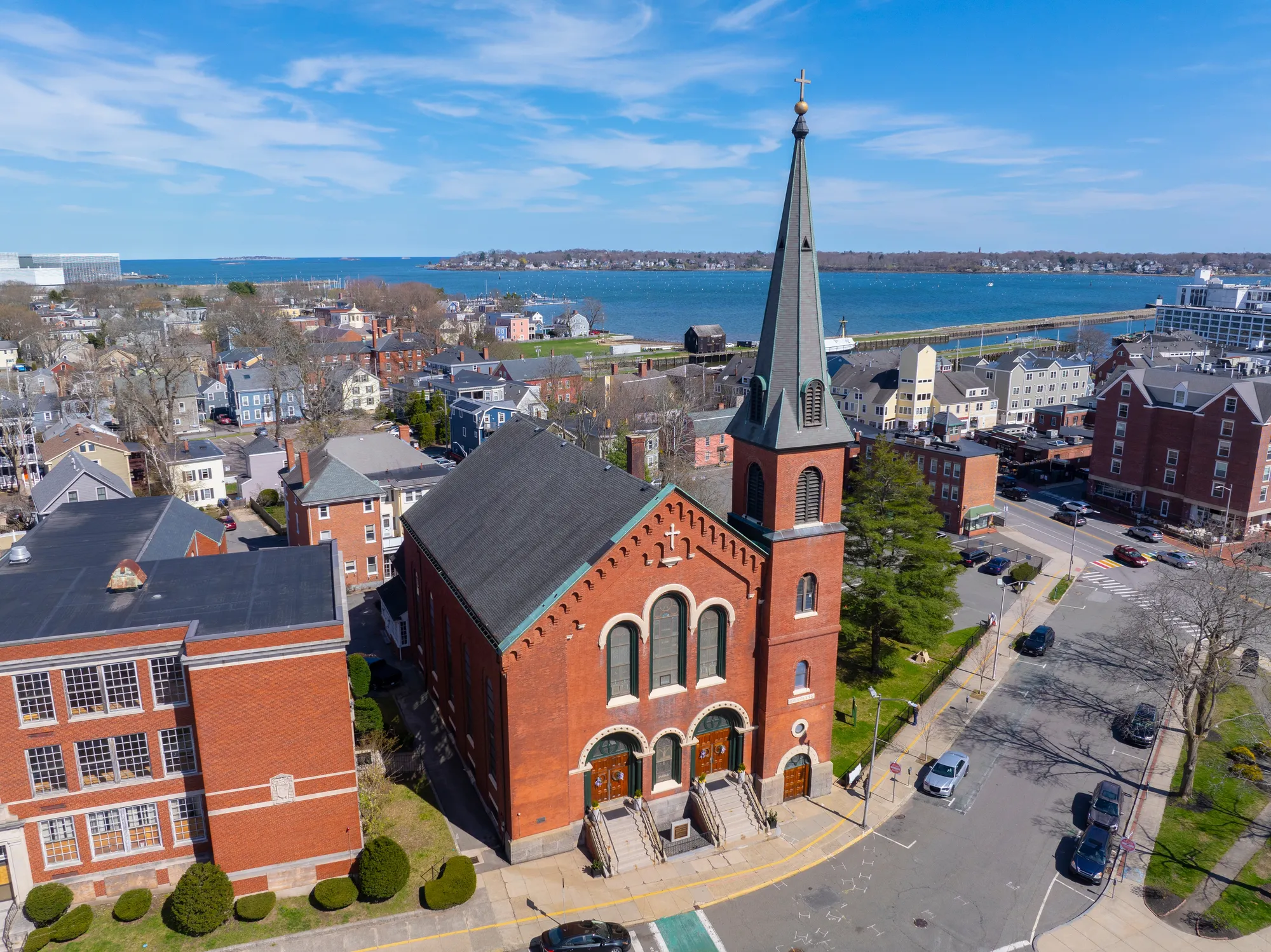
Essex Street Dental Medicine entrance in Salem, MA

Restore Your Smile in Salem

A free consultation is available to new patients without dental insurance. Let's talk through your options — no pressure, just honest guidance.