


Book an Appointment Call (978) 744-7904
Emergency Dentistry

Emergency Dentistry in Salem, MA

Emergency care for cracked teeth, severe pain, or knocked-out teeth — call as soon as it happens.

Emergency Dentistry Explained
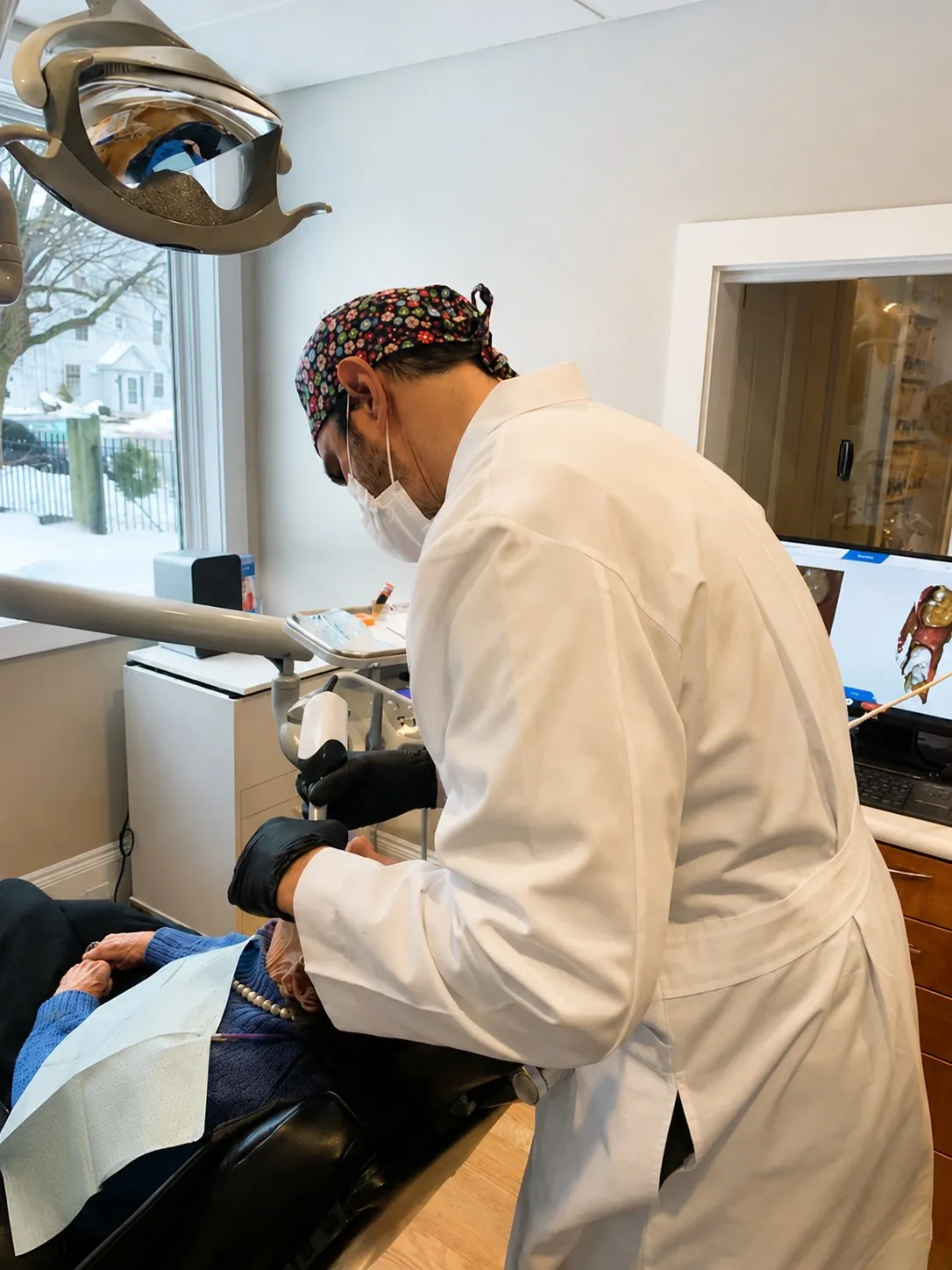
Emergency Dentistry — what to know

Looking for Emergency Dentistry in Salem, MA? Dental emergencies happen, and when they do, fast access to professional care can make the difference between saving a tooth and losing it. At Essex Street Dental Medicine, we provide emergency dental appointments for patients experiencing severe pain, dental trauma, broken teeth, lost fillings or crowns, abscesses, and other urgent issues. We understand that dental emergencies are stressful and often painful, and our priority is to see you quickly, relieve your pain, and address the underlying problem.

Common dental emergencies include severe toothaches, knocked-out teeth, cracked or fractured teeth, soft tissue injuries, abscesses or infections, and lost or broken dental work. The treatment depends on the specific situation. A knocked-out tooth needs immediate attention (within 30 to 60 minutes for the best chance of saving it), while a lost crown can usually wait until business hours. Severe pain or visible swelling, particularly with fever, indicates an infection that requires prompt treatment.

When you call our office for an emergency, we triage your situation and provide guidance. Initial steps may include pain management, antibiotics for infection, temporary restorations, or referral to a specialist for complex cases. Once the immediate emergency is addressed, we develop a longer-term treatment plan to fully restore your tooth and prevent future problems. Don't delay treatment for dental pain or trauma because the longer you wait, the more complex and expensive treatment becomes.


Book An Appointment

Our Approach

When you're in pain, you need to be seen quickly. At Essex Street Dental Medicine, we do our best to help out as quickly as possible. When you call, we listen carefully to your situation, provide guidance on what to do until you can be seen, and arrange care as quickly as possible.

Once you're in our chair, our first focus is relieving your pain and addressing the immediate problem. We use modern anesthesia and gentle techniques to make emergency visits as comfortable as possible. After the immediate issue is addressed, we discuss what caused the emergency and develop a treatment plan to fully restore your dental health and prevent future emergencies. Many emergencies are preventable with proper care, and we use these moments as opportunities to support your long-term oral health.

Book An Appointment
Emergency Dentistry — our approach

How Treatment Works

01

Call

Contact our office immediately. We triage your situation, provide guidance, and arrange the soonest possible appointment.

02

Assess

At your visit, we evaluate the emergency, take any needed X-rays, and identify the underlying problem.

03

Treat

Immediate treatment focuses on pain relief and addressing the urgent issue, whether that means medication, repair, or temporary restoration.

04

Restore

Once the emergency is resolved, we develop a longer-term plan to fully restore your tooth and prevent future problems.

Frequently Asked Questions

We've answered the questions we hear most so you can feel informed, prepared, and confident before your visit.

Dental emergencies include severe tooth pain, knocked-out teeth, broken or fractured teeth with pain or sharp edges, abscesses or facial swelling, lost crowns or fillings causing pain, soft tissue injuries that won't stop bleeding, and broken orthodontic appliances causing injury. If you're experiencing severe pain, swelling, or trauma, call us right away.

The cost of emergency care depends on what is causing the problem, and that cannot be known until you are examined. A crown that needs recementing and a tooth that needs a root canal or extraction are very different treatments. What we can tell you is how the visit works, since our first priority is getting you out of pain, and we will examine you, explain what we find, and review the recommended treatment and your estimated cost before we proceed. If your situation needs to be handled in stages, we will tell you what is urgent today and what can wait. Please do not delay calling because you are unsure about cost, since dental problems get more complicated the longer they are left.

Time is critical. Find the tooth, handle it by the crown (top) only, not the root. Rinse it gently with water if dirty, but don't scrub or remove any tissue. If possible, place it back in the socket and bite down on a clean cloth. If you can't reinsert it, store it in milk or saliva and get to a dentist within 30 to 60 minutes. Faster reattachment dramatically improves the chance of saving the tooth.

Severe pain, knocked-out teeth, dental trauma, and visible swelling require same-day care. A knocked-out tooth ideally should be reimplanted within 30 to 60 minutes. Less urgent issues like lost crowns without pain or chipped teeth without sharp edges can typically wait 1 to 2 days. When in doubt, call us and we'll help you determine the urgency.

Take over-the-counter pain relievers like ibuprofen or acetaminophen as directed. Rinse with warm salt water. Apply a cold compress to the outside of the cheek to reduce swelling. Avoid hot, cold, or hard foods that may worsen pain. Do not place aspirin directly on the gum or tooth. These measures provide temporary relief, but you still need to see a dentist to address the underlying cause.

For most dental emergencies, a dentist is the right choice. Emergency rooms can manage pain and treat infections but rarely have the capability to address dental problems directly. However, you should go to the ER for facial trauma with broken bones, uncontrolled bleeding, or signs of serious infection like high fever, difficulty breathing, or difficulty swallowing. The ER can stabilize you and refer to a dentist for the actual dental work.

Yes, dental abscesses are serious infections that can spread if untreated. Most abscesses cause local pain and swelling that can be treated with antibiotics and either root canal therapy or extraction. In rare cases, untreated abscesses can spread to other parts of the body and become life-threatening. Signs of a serious abscess include high fever, facial swelling that affects vision or breathing, or difficulty swallowing. These require immediate medical attention.

If a crown falls out, save it and contact our office. If you can, gently clean it and try to slip it back over the tooth using a small amount of denture adhesive or temporary dental cement from a pharmacy. If a filling falls out, the exposed tooth may be sensitive. Avoid chewing on that side and call us. These are typically not same-day emergencies unless severe pain is present, but should be addressed within a few days.

Most dental emergencies are preventable. Wear a custom mouthguard during sports, avoid using teeth as tools, treat cavities and other dental problems before they progress, address grinding habits with a nightguard, and don't ignore minor symptoms that could indicate developing problems. Regular dental visits catch issues early when they're easy to treat, before they become emergencies.

Essex Street Dental Medicine entrance in Salem, MA

Restore Your Smile in Salem

A free consultation is available to new patients without dental insurance. Let's talk through your options — no pressure, just honest guidance.