

Book an Appointment Call (978) 744-7904
Wisdom Teeth Extraction

Wisdom Teeth Extraction in Salem, MA

Looking for Wisdom Teeth Extraction in Salem, MA?

Wisdom Teeth Extraction Explained

Wisdom Teeth Extraction — what to know

Looking for Wisdom Teeth Extraction in Salem, MA? Wisdom teeth, also called third molars, are the last set of teeth to develop and typically erupt between ages 17 and 25. At Essex Street Dental Medicine, wisdom teeth extraction is one of the most common procedures we perform. While not every wisdom tooth needs to be removed, the majority cause problems either when they erupt or because they do not have enough room to come in properly. Removing them at the right time prevents pain, infection, crowding of other teeth, and damage to surrounding bone and tissue.

The need for wisdom teeth removal usually comes down to space. Modern human jaws are smaller than those of our ancestors, while wisdom teeth still try to erupt. This often means wisdom teeth do not have enough room and become impacted (stuck below the gum line) or partially erupted (pushing through but not fully). Impacted wisdom teeth can cause significant problems including pain, infection (a condition called pericoronitis), damage to the adjacent second molars, cyst formation, and crowding that can undo years of orthodontic work.

Wisdom teeth removal is a surgical procedure typically performed by a general dentist or oral surgeon. Simple cases involving fully erupted wisdom teeth can be done with local anesthesia alone. Impacted wisdom teeth, especially those requiring bone removal or sectioning of the tooth, are more complex and often performed under IV sedation or general anesthesia for patient comfort. We work with experienced oral surgeons for complex cases and perform routine extractions in our office when appropriate.
Book An Appointment

Our Approach

Wisdom teeth are not always a problem, but when they are, addressing them at the right time saves a lot of trouble later. At Essex Street Dental Medicine, we monitor wisdom teeth development through panoramic X-rays starting in the mid-teen years, watching for signs that removal will be needed. Early removal, before roots are fully formed, is typically easier with faster recovery than waiting until problems develop.

When extraction is needed, we explain exactly what is happening, what to expect, and what your sedation options are. For simple cases, we perform the extraction in our office. For more complex impacted wisdom teeth, we refer to oral surgeons we trust to ensure the best outcome. After extraction, we follow up to confirm proper healing and address any concerns that come up during recovery.

Book An Appointment
Wisdom Teeth Extraction — our approach

How Treatment Works

01

Evaluate

Panoramic X-rays show the position, root development, and impaction status of each wisdom tooth, allowing us to plan the optimal time and approach for extraction.

02

Plan

We discuss the procedure, sedation options, post-operative expectations, and what to plan for in recovery. Complex cases may be referred to an oral surgeon.

03

Extract

Under appropriate anesthesia, the wisdom teeth are removed through gentle surgical technique. Most cases take 30 to 90 minutes total for all four wisdom teeth.

04

Heal

Detailed post-operative instructions support proper healing, and we follow up within the first week to confirm everything is on track.

Frequently Asked Questions

We've answered the questions we hear most so you can feel informed, prepared, and confident before your visit.

Most wisdom teeth do not have enough room to erupt properly. They may become impacted (stuck below the gum), partially erupted (creating a flap of gum that traps food and bacteria), or pushed at angles that damage adjacent teeth or crowd other teeth out of position. Removal prevents pain, infection, damage to the second molars, cyst formation, and shifting of other teeth. Wisdom teeth that erupt fully and function properly may not need to be removed.

The ideal age for wisdom tooth removal is typically between 17 and 25, when the roots are partially but not fully formed. Removal at this age is generally easier, with faster healing and lower complication rates than waiting until later. Some patients have wisdom teeth removed earlier if X-rays show clear problems developing. Wisdom teeth can be removed at any age when problems arise, but procedures become more complex with age.

The cost of removing wisdom teeth depends heavily on the teeth themselves, which vary more than almost any other extraction. A tooth that has fully erupted and can be removed intact is straightforward, while one that is impacted, angled sideways, or has roots close to a nerve or sinus is a considerably more involved surgical procedure. Each of your wisdom teeth can be in a different situation, so it is common for one case to include both simple and surgical removals. Age is a factor as well, since roots are less developed and bone more forgiving in younger patients. We will explain what removing them involves in your case and provide a treatment plan with your estimated coverage.

The procedure itself is not painful. Local anesthesia and sedation if used completely numb the area. Most patients experience moderate discomfort and swelling for 2 to 4 days afterward, well-managed with prescribed pain medications. By a week to ten days, most patients are back to normal. Following post-operative instructions reduces discomfort significantly and prevents complications like dry socket.

Most patients return to work or school within 2 to 4 days. Initial swelling and discomfort peak around day 2 to 3 and gradually improve from there. A soft food diet is recommended for 5 to 7 days. Complete healing of the surgical sites takes 3 to 4 weeks, with bone healing continuing for several months. Most patients can resume normal exercise around one week post-surgery.

When all four wisdom teeth need to be removed, doing them in one visit is typically more efficient than spreading them across multiple appointments. Single recovery period, single anesthesia event, single time off work or school. However, some patients prefer to space them out, or only some wisdom teeth may need removal. The decision depends on your specific situation, schedule, and how the teeth are positioned.

For the first 24 hours, stick to liquids and very soft foods like smoothies (no straws), yogurt, applesauce, pudding, broth, and ice cream. From days 2 to 5, expand to soft foods like scrambled eggs, mashed potatoes, well-cooked pasta, oatmeal, and soup. Avoid hot foods, hard or crunchy foods, sticky foods, spicy foods, and anything that requires significant chewing for at least a week.

Dry socket is a painful condition where the blood clot at the extraction site dislodges or fails to form properly, exposing the underlying bone and nerves. It typically develops 2 to 4 days after extraction and causes severe pain, bad breath, and an unpleasant taste. To prevent dry socket: do not use straws, do not smoke, do not spit forcefully, avoid vigorous rinsing for 24 hours, and follow all post-operative instructions carefully.

Sedation options range from local anesthesia only for simple cases, to nitrous oxide for mild relaxation, oral sedation for deeper relaxation, and IV sedation or general anesthesia for the most comfortable experience. For impacted wisdom teeth or anxious patients, IV sedation is the most common choice. The right level depends on the complexity of the procedure, your anxiety level, and your medical history.

Most dental plans include wisdom tooth removal, with coverage varying and a deductible and annual maximum usually applying. Coverage often depends on why the teeth are being removed, since a documented problem such as impaction, infection, or decay is more straightforward, while preventive removal of teeth causing no symptoms is sometimes reduced or declined. If a case involves deeper sedation or treatment in a surgical facility, part of it is sometimes billed to medical insurance rather than dental. Because these extractions are frequently done in the late teens, it is also worth confirming whether the patient is still eligible under a parent's plan. Give our office your plan information and we will verify your benefits.

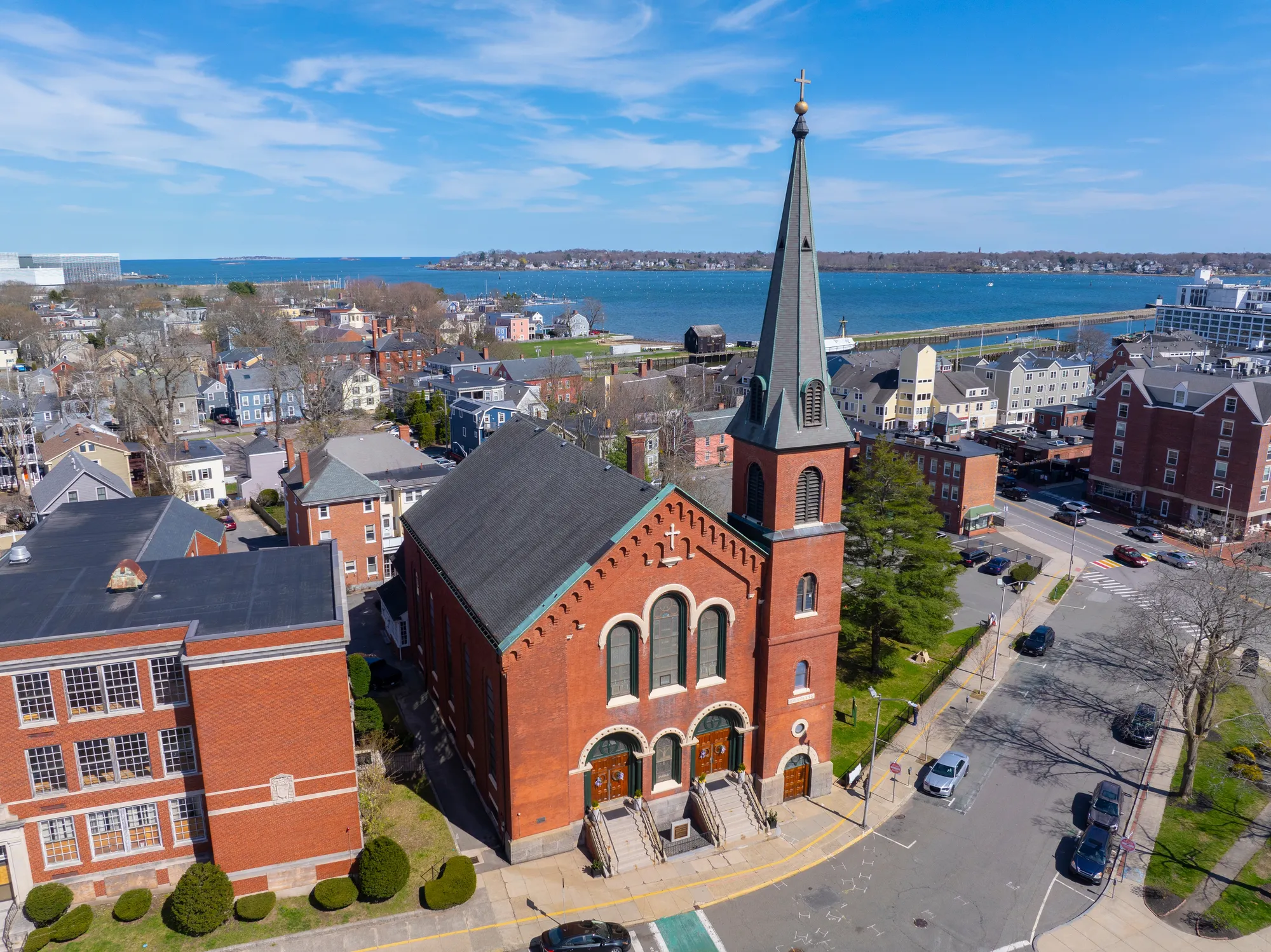
Essex Street Dental Medicine entrance in Salem, MA

Restore Your Smile in Salem

A free consultation is available to new patients without dental insurance. Let's talk through your options — no pressure, just honest guidance.